The disabled community warned about the juridical trajectory of banning masks in public as we witnessed the escalating anti-mask movement and rush back to “normal” phenomenon. This type of targeted legislation enacted to exclude disabled people from public spaces has a long and sordid history in the United States. “Ugly laws” were edicts that strictly prohibited disabled people from public spaces. 1 In the late 19th century, Denver, Colorado specifically made it a crime for a “deformed person” to expose themselves to public view.2 The parallelization of the Ugly Laws and the mask ban in Nassau County are strikingly similar.
Now that New York passed its first public mask ban, the disabled community has to grapple with the new reality of what it looks like to protect ourselves. This means one of three things, risk being in a public space under the threat of jail, a fine or, exposure to viruses that could further disable us. What are we supposed to do, self segregate? Carry around a medical card with our aliments for the entire world to see, to be immediately sequestered at the whims of the state calvary? How will that play out in communities that are already over-policed and targeted? We are giving the state infantry the unbridled authority to medically regulate who can wear a mask in public.
“Mask bans send the message that it is a crime to be disabled.” – Alice Wong3
The recent mask ban did not derive from the white supremacist Unite the Right rally held in Charlottesville, the Far-Right Infilatratiors during the Black Lives Matter protests, nor the recent unpermitted Patriot Front march in Nashville this July. Rather, they strategically coincide with the Pro-Palestinian movement. The New York Civil Liberties Union stated that “Nassau County’s mask ban is a dangerous misuse of the law to score political points and target protestors. Barring people who speak out from protecting themselves and their identities puts their health and well-being in danger, particularly people with disabilities, people of color, and those with unpopular views.”4
Make no mistake, the banning of masks is not about public safety. It is about political silence and the forced disappearance of disabled people from the public sector.
The narratives that dominate our media landscape are about us but not by us. This profound disconnect continues to inflict harm on the disabled community in palpable ways. As someone who has dealt with chronic illness for more than a decade, the reduction of protections reinforces that my life does not matter, that disabled lives do not matter, that we are all disposable.
The disability community has been screaming about covid’s mass disabling event since the beginning of the pandemic – they warned the world about the dangers, and no one listened.
One of my autoimmune diseases severely affects my muscles, which become stiff and painful during a flare-up and limit my ability to walk. Mornings are, without question, harder on me. However, because local policy lifted mask mandates, I can no longer shop when it is best for my body to do so. I must go early in the mornings in order to limit my risk of exposure. If I am having a good day and have managed not to pull a back muscle while carrying my groceries from my car, I nearly collapse from exhaustion and pain by the time I open the front door. Part of me feels like I just conquered the world, but I sigh because I know what the rest of the day has in store for me.
I know what it looks and feels like to navigate a health care system that would rather label you with “anxiety” than getting to the root of your health issues. Those now suffering from long covid are propelled into a system that crumples, shuffles, and discards people like old newspapers. This type of experience I do not wish on anyone, including those actively working against measures to protect people from this treacherous virus.
My own family mocked my illness for years. I eventually stopped going to family functions and avoided showing any pain or sickness I was experiencing around them. Not only did my own family not believe that I was sick, they mocked and made fun of me for it. Their ableist response assigned my illness to a personal weakness. I was not eating the right foods, doing the right exercises, and taking the right supplements. I internalized these notions, so much so, that I started to downplay the actual progression of my illness. Had it not been for my daughter who witnessed my physical deterioration, I could have ended up much worse.
In my case, it took almost 13 years, several specialists, hundreds of tests, and thousands of dollars to receive my diagnosis. I know I am one of the lucky ones. Many of us live with debilitating and painful conditions that go undertreated, ignored, and undiagnosed by medical professionals.
My immune system is consistently compromised.
So when people argue that masks are an infringement of their freedoms – think about what that says to people like me.
The century-old assertion of body autonomy does not wane when pressed against harsh policy designed to diminish it. Despite the historical shifts in customs and legislation, abortions will not stop. Women will break the law and subject themselves to dangerous, even fatal procedures, to procure it.[1] The recent Texan outcry raised under the guise of morality is not about the procedure itself. Though, their unilateral response, however, dictates who has access to it.
Texas has cemented a policy that disproportionately targets specific individuals. This abhorrent racialization and class inequity means that these women will be the ones that are “butchered and maimed.” [2] Deputizing wayward citizens monetarily incentivized to enforce an unconstitutional practice, ensures the terrorization of women exercising self-determination.
Decades ago, trailblazing women like Shirley Chisholm pointedly addressed the underbelly of the beast, demanding that society truthfully reckons with what reproductive restrictions really mean. She argued that the issue is about the kinds of “abortions society wants women to have – clean, competent ones performed by licensed physicians or septic, dangerous ones done by incompetent practitioners.” [3]
I understand that Covid-19 is wholeheartedly a separate issue from abortion. However, because it is the undercurrent of our reality, it warrants a reevaluation of the types of questions we are asking about it. If you are anti-vax and anti-mask, how can you logically justify and participate in enforcing such a law? Is it the assertion of body autonomy that ignites this level of citizen policing? If we follow that logic, should we then place a legal bounty on people whose actions directly endanger school-aged children and other vulnerable populations? I didn’t think so.
Body autonomy is rejected for reproductive health, yet simultaneously applauded for anti-vax and anti-maskers.
The regulation of a woman’s body is nothing new. However, the excuses charged with archaic restrictions shift politically and socially depending on people holding power at a particular time.
This stark juxtaposition reaffirms that the issue is not about abortion, it has never been. It is about body autonomy and punishment to those who assert it. Abortions are a privilege society affords to specific populations while simultaneously denying them to others.
[1-3] Chisholm, Shirley. “Facing the Abortion Question.” In Words of Fire: An Anthology of African American Feminist Thought, 389-395. New York: The New York Press, 1995.
George Washington reigned over his plantation at Mount Vernon, enslaving hundreds of people, when he took office as the first president of the United States. A cabinet position that abruptly uprooted him from his southern plantation and propelled him to Philadelphia in 1790. Despite northern practices and laws in opposition to slavery, Washington sought to keep people enslaved whatever the cost. In fact, Washington hide his ambitions as a slaveholder, and preferred to “deceive the public if necessary.”[1] The intervals in which he rotated out enslaved people in Philadelphia, was a concerted effort to subvert local law, ensuring that “his property” could never legally seek a path to freedom. Washington realized the danger of relocation and wrote that, “if his slaves knew that they had a right to freedom, it would make them insolent in the state of slavery.”[2] Despite Washington’s careful selection of those identified as “loyal and less likely to runaway”, the move to Philadelphia spawned their attempts to do exactly that. Washington’s unremitting pursuit of escaped enslaved women by the name of Ona Judge, reveals his cunning character, one he sought tirelessly to hide from the public.
This Washington, the man who stood as the first president of America and led the unrelenting crusade of Ona Judge until his very deathbed, is the Washington that stands on the campus of Miami University.
In order to understand how a statue of Washington ended up on the Miami campus, a fundamental dive into America’s fascination with Civil War imagery must be examined. The current debate over Civil War iconography may appear complex and hotly contested, but America’s fascination with Confederate imagery is simple: unwavering fixation to white supremacy.
If a visual representation in the form of monuments can be used as a tool to shape the public narrative, what happens when these statues pervert history? What happens to the American consciousness when its iconography serves as a deception to our past?
It is no coincidence that the saturation of confederate imagery occurred during two pivotal periods in American history. Confederate statues littering our nation’s landscape, immediately followed Reconstruction and again during the Civil Rights Movement. The acceleration of public architecture symbolized the concerted effort to reinsert and resurrect white supremacy, when public sentiment had witnessed it wane. Both eras confronted the legacy of racial animus and the devastating political, economic and social impact that it fueled in its wake. The thinly veiled principles that held African Americans as inferior were not erased from public memory after the Civil War, they flourished. Former enslaved man by the name of Frederick Douglass foresaw this danger and warned that white supremacist principles would endure, “in what new skin will the old snake come forth?”[3] These beliefs of white supremacy evolved into a national crusade to mask racist systems and structures upholding them. Monuments were displayed across our nation in jubilee, solely intended to inflame the racist convictions deeply rooted in the foundation of this country.
America had an opportunity to reimagine a society after the Civil War, to create a system outside of slavery,[4] but instead promoted it’s return. The political, social and economic gains African Americans made during the late 19th century threatened the very infrastructure of white power. A framework that, if weakened, could endanger both the power and status of Northern elites and the planter class in the South. Therefore, these gains had to be disemboweled. The backlash of Reconstruction and reversal of Black political power delivered state sanctioned violence and extralegal terror to enforce it.[5] An integral part of manifesting the principles of racial inferiority was to take control of the historical narrative of America; to conjure slavery and the confederate soldiers who fought to maintain it, as noble men. Spewing the myth of nobility into what became known as the Lost Cause had reverberating effects across the nation.
The cult of the Lost Cause gave birth to the Ku Klux Klan, Jim Crow, and has fostered more than a century of racial violence and disenfranchisement of African Americans. It was a political message extolling the fable of confederate virtue. Author Ta-Nehisi Coates described the reunion after the Civil War as a “comfortable narrative that made enslavement into benevolence” a story of the “white knights of body snatchers, and the mass slaughter of the war into a kind of sport which could conclude that both sides conducted their affairs with courage, honor and elan.”[6]
The process of downplaying the horrors of enslavement spurred a new era of noble cause imagery. The reality of rape, torture and exploitation took a backseat to pictures falsely reimagining slavery. But, the revisionist images of slavery, nor the barbarous ways in which African Americans were depicted were not sufficient on their own, the corroboration of monuments proved indispensable to their mission.
Laws are just words written on paper if they aren’t upheld by society. The decades of Jim Crow, well-maintained by white communities at large, designed to strip African Americans of basic human rights were, once again, being confronted across America. This new surge of monuments was a direct retaliation for a number of legal victories Black Americans gained during the Civil Rights Movement. Because the legal battles challenging racial discrimination triumphed in court, manifestations of de facto practices materialized throughout the country. Historian Dr. Williams stated that these statues are not, “harmless remembrances of an honorable war but our deepest shame as a nation”… And we cannot “celebrate those who denied freedom to others.”[7]
The statue of George Washington at Miami University cannot escape this same historical scrutiny just because he didn’t live during the Civil War. He was inextricably tied to slavery as a slave owner and denied freedom to hundreds of people. These monuments must come down from our public landscape because, as Dr. Williams said, “there are no two sides about it.”[8] However, the principles fastened to their origins of construction cannot be erased. They must shape our pedagogical approaches to American history, spill out into the words of textbooks, and into the lesson plans of teachers. Removing these monuments does not remove our responsibility as educators, as citizens, and as individuals from our obligation to dismantle the racist structures and systems that erected them in the first place.
These racist tropes do more than muddle our national landscape, they preserve the very symbols of hate, terror and inequality[9] that America has struggled to resolve since the foundation of this country.
George Washington, founding father, first president of the United States, and avid slaveholder.
History must be told in all its complexities, not just the parts suitable for a particular audience.
[1] Dunbar, Erica A. Never Caught: The Washington’s Relentless Pursuit of Their Runaway Slave, Ona Judge. New York: Simon & Schuster, 2017.
[2] Dunbar. Never Caught: The Washington’s Relentless Pursuit of Their Runaway Slave, Ona Judge.
[3]Why are there some many confederate monuments, season 2 episode 26, PBS, 2019.
In a discussion with a new acquaintance of mine who holds steadfast to proclaimed progressive views, while simultaneously participating in gentrification living in Denver’s “Harlem of the West”, race relations in America came up. And the conversation quickly spiraled into his own personal crisis with white identity. For him, a black sports newscaster on ESPN serves as both a trigger and an outlet to spew his racial animosity. From “why can’t he call white guys brother”, “I have a black friend”, to “I can’t even listen to him, I change the channel.”
What he did was forcefully insert his presence to center the conversation around whiteness. In a visceral fashion, the immediate response of where, when and how to voice dissent quickly became prominent. Stealing the narrative and distracting from the message using antiquated tools of white supremacy is a century old protocol. After 30 minutes of an uninterrupted rant, when pointedly asked, he could not recall the context of the newscasters message because it was his “delivery” that he was hung up on. I am interested in the message – not in the tone or the delivery of it. This circular conversation unequivocally proves another iteration of whiteness is as strong as ever simply because the message wasn’t palatable for his liking.
Repeatedly voicing, “it is about delivery, the tone, the way the message is being delivered. All he does is complain and bitch instead of talking about solutions… the message is getting lost because he’s angry – I am just tired of it, it’s not like I owned slaves.”
While I understand there is a lot to unpack, I do not have the time to unravel it – so I will summarize. The white community always attempts to place itself at the forefront of these conversations, proclaiming they are for racial equality, while simultaneously criticizing, vilifying and outright dismissing the black community for the way in which the message of structural, cultural and institutional oppression is delivered. What he views as complaining and bitching, I see as historical violence and the perpetuation of intergenerational trauma rooted in the legacy of slavery, Jim Crow and racial oppression.
It is moments like these where Toni Morrison warned that, “The function, the very serious function of racism is distraction. It keeps you from doing your work.” Until we can have an honest conversation about the legacy of racism in this country, and as Bryan Stevenson pointedly said, “we can’t recover from history until we deal with it.”
Interactions like this, reaffirm how critical and important this work is. We still have a very long way to go.
And no I don’t hate white people, but I will be the first to call you out on your bullshit.
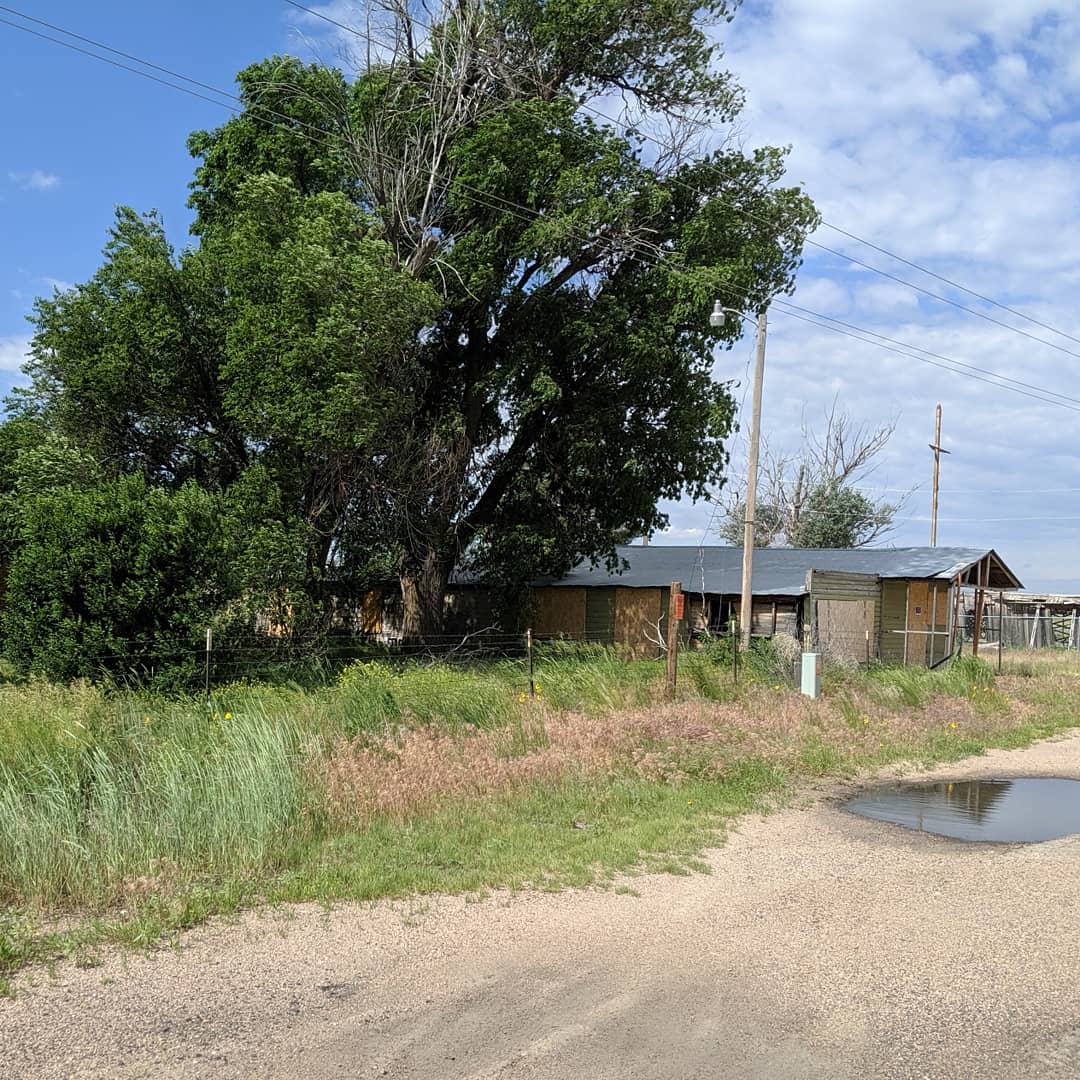
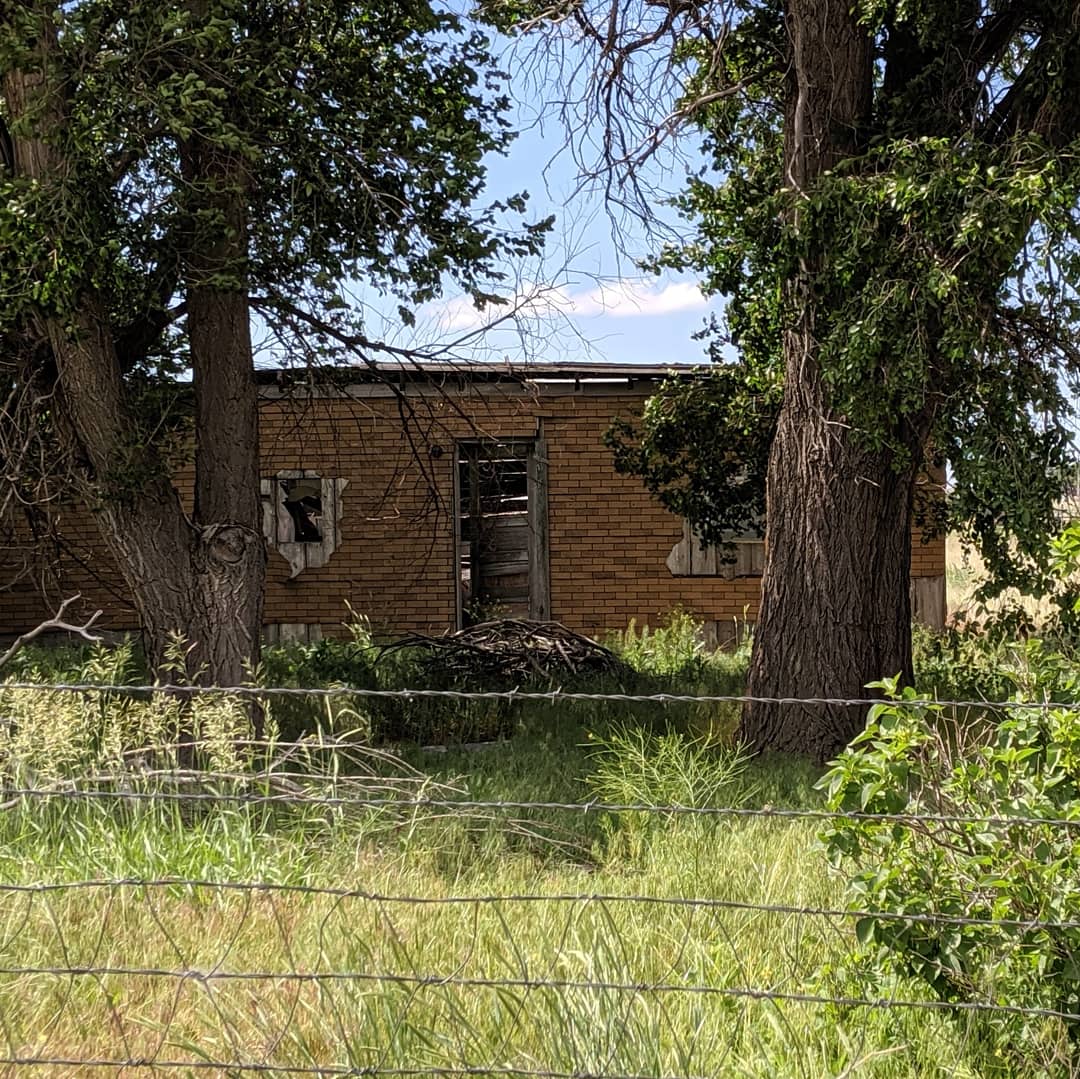
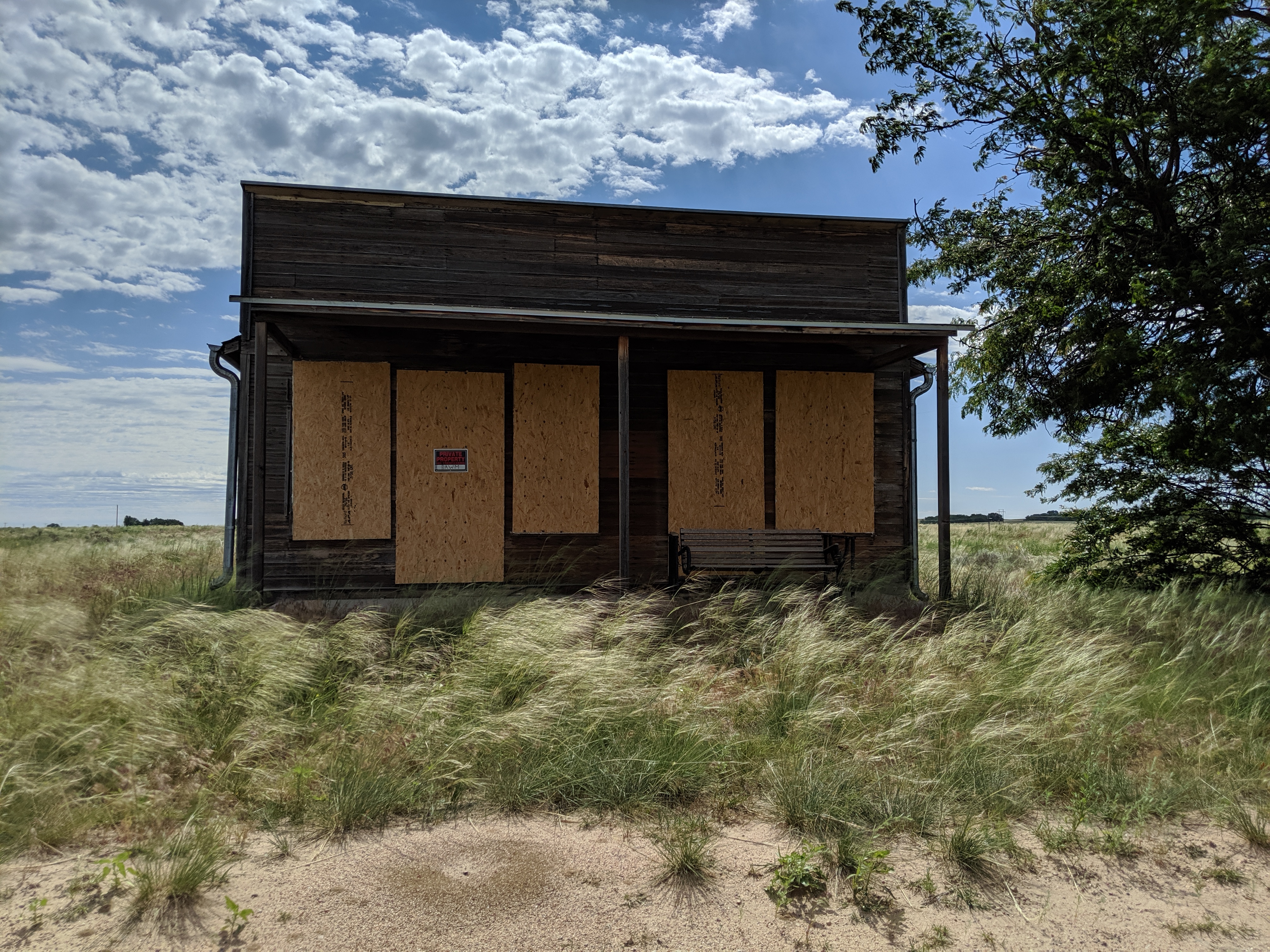
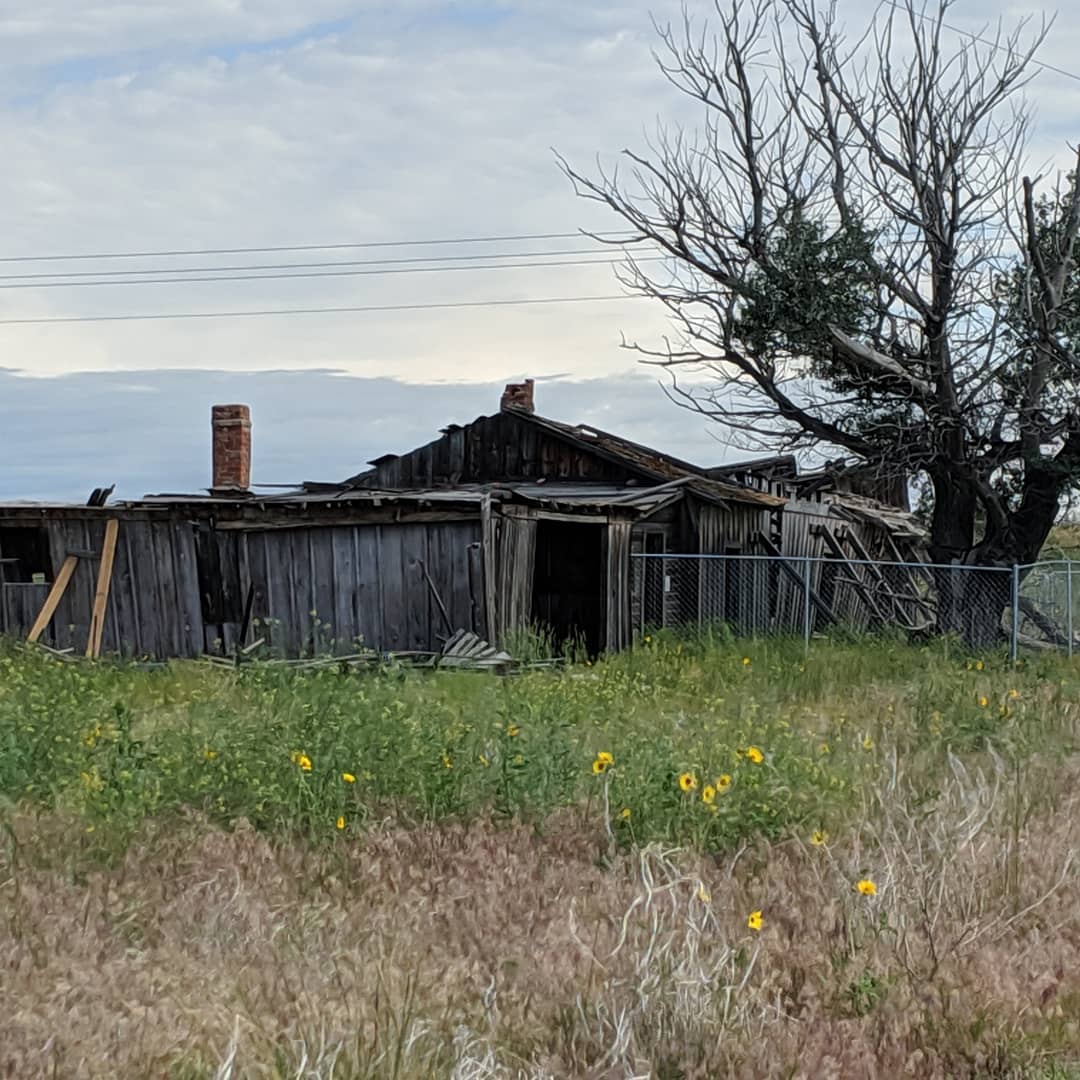
As I drove into Dearfield Friday morning, I couldn’t help but imagine just how different it might look had America held true to the promises of life, liberty and freedom – for all its citizens. Dearfield should not be viewed as a failed township, but rather a monument of love, innovation and triumph. Though currently a ghost town, the significance and contributions made by Dearfield’s residents cannot be overlooked. The legacy of Dearfield shines brighter than the remnants of its remaining standing structures. Dearfield serves as a metaphor in the struggle for racial equality on a local, national and global scale. Despite countless setbacks, overwhelming and insurmountable odds, the community of Dearfield’s determination proved immeasurable. Their innovation, success, strength and unity as an independent township resonated in the hearts of all its residents. And their collective message of love and perseverance continues to transcend across generations. Dearfield is a testament to the power, beauty and cultural heritage of the Black community.
Dearfield reminds us of the importance of understanding how the past informs our present, in order to see that where we are now is a direct relation to where we have been. The aim of H.R. 40 begins by holding America accountable, and not solely for enslavement and our crimes against humanity, it is much deeper than that, but for centuries of customs and policies that continue to perpetuate racial inequality, which serve to maintain conditions tantamount to slavery. That is where we must begin.
White people are so uncomfortable talking about race, that even using the word “white” in a conversation ignites a defensive and visceral reaction. And no, reverse racism isn’t a thing, in case that’s where you are headed next.
I am writing this piece after a conversation with an acquaintance of mine who inquired about my recent trip to Kansas. My response included the word “white” in reference to both the demographics as well as the lack of diversity. And this followed suit:
“I’m not trying to start a fight, I just never understand why people point out skin color. If I described a place as a ‘black people everywhere’ I would be construed as a racist. So I should point out skin color when talking? “I was talking to this black guy today” or “some asshole asian cut me off in traffic today”. I just don’t understand how it adds to the discussion.”
If you understand privilege, you accept that there are places you cannot be and language you cannot use. It also means acknowledging you benefit off a system designed to maintain barriers to racial equality. While I am not arguing against other factions of intersecting oppressions, I am arguing that as a white person race, is not a factor and that merit alone did not get us where we are today. That truth is so fundamentally abstract to most, that even the slightest inclination of suggesting that the power of privilege has significantly contributed to one’s economic position, is viewed as both outlandish and insulting. The exhaustive and circular conversation usually ends with, “why does everything have to be political with you, it’s not always about race”. And you know what, he isn’t wrong, it’s not always about race, because he gets to CHOOSE when it is.
Short of asking him to open a history textbook or read primary documents, I will attempt to scratch the surface of his temperament. First, we must begin by confronting the definitions of racism so that when people decide that racism is just prejudice, we can challenge that notion by acknowledging that in doing so we single-handedly ignore the lived experience of every person of color in this country. However, if we agree that there are structural and systemic faucets in place that adversely impact communities of color socially, politically and economically – then, and only then, we can move the conversation forward. So yes, white people, your language has consequences, and the historical implications of using inflammatory language, or ignoring racism altogether, directly impacts custom and policy which perpetuate racism. It is language and ideologies steeped in white supremacy and carried out in microaggressions that undoubtedly contribute to Denver Public Schools being more segregated now than they were prior to Brown v. Board, why Flint Michigan still doesn’t have clean water, and why, despite Batson v. Kentucky, racial disparities in incarceration are the highest in the world.
Privilege is understanding that you get to decide when race matters, and just because it makes you feel uncomfortable in the realization that perhaps you aren’t wholeheartedly deserving of your socioeconomic position, that merit alone is not why you are where you are – that doesn’t negate your direct contribution to a system designed to maintain racial inequality in this country.
When you ascribe to the stolen narrative of veteran disrespect and disdain for our nation, you completely miss the mark of Kaepernick’s protest, which directly confronts our proclaimed adherence to American freedom – equality and justice for all. Kaepernick’s kneeling demands more than the recognition and value of Black lives – but embodies centuries of racial violence, injustice and systemic disenfranchisement for communities of color. Only white privilege can morph the message “Stop Killing Us” into utter contempt for America. The fierce backlash and elaborate presidential administration PR stunts, only illustrate the extraordinary measures of which white resistance seeks to ensure racial dominance. White supremacy is so embedded into American thought that seeing past privilege isn’t even an afterthought for an overwhelmingly number of Americans. In fact, refusing to recognize an issue that has plagued this country from inception, and resorting to personally attacking him, his message, and stealing the narrative in its entirety, perpetuates the current and historical trend of White Supremacy in America. White supremacist ideology is habitually used to justify, even romanticize, the oppression, violence, and subordination of communities of color. So how dare Kaepernick take a knee for racial injustice and racial violence, how dare he speak truth to America – an America that refuses to even acknowledge his existence outside the football arena.
My America tells me that race does matter, and that never at a point in American history has that not been the case. The murders that took place at the Algiers Motel in 1967 was not an isolated event, nor even considered out of the norm, but rather the sounds of history echoing itself.
Watch Detroit – but do not view it solely in historical context. The gut wrenching dehumanization of these teenagers is not an antiquated tactic, but their executions a direct result of centuries of white supremacist protocol. Listen closely as the media blasts words and phrases like, “hooligans” and “you people” over the loud speakers. Watch as they normalize state violence and the slaughter of a Black bodies – open your eyes to the parallel lines of history.
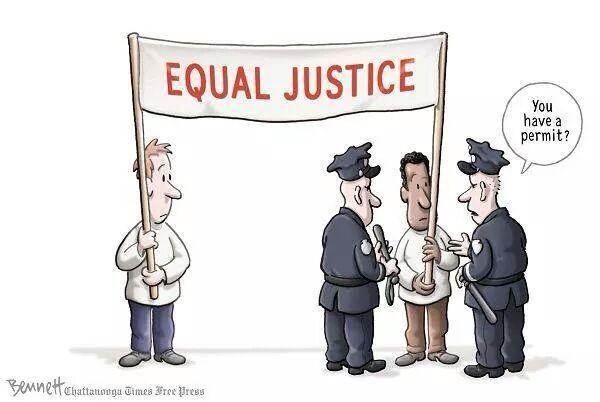
America doesn’t need an HBO series to tell us what the country would look like if the “South had won” – policy and the implementation therein already illustrate that. It is without question the history of white supremacy is rooted in the myth of black criminality. That is exactly why the FBI’s “courtesy” warning call to Virginia state officials would have been very different had it not been the KKK preaching messages of “arm yourself” to their fellow comrades. Can you imagine if Black Lives Matter were granted a permit for assembly in Charlottesville – and showed up tooting guns, torches, swords and body armor? When white supremacy is left unchallenged and ignored it only fuels their growth. Charlottesville is just one example of why I keep asking myself, what more do people need to see? How much longer can you bare witness to these atrocities, to the systematic elimination of entire communities for YOUR own silence to be broken? President Trump ran his campaign boasting on and promising racist policies – yet white America seems shocked at his intentional obscuring message refusing to condemn these white supremacists. This is textbook white supremacist doctrine, reinforced by a fascist leader and supported by policies that have been in place since the inception of this country. The climate in the U.S. has embolden white supremacist’s members, so much so, they have replaced their white sheets with bare faces. We have created an environment conducive to their racial hatred and ignited the perpetuation of its violence – all of which continue to serve as the norm.
Make no mistake, this is not new. America sent a very clear message when it chose to commemorate these confederate statues. No matter the lengths textbooks have sought for revision, there is no way to romanticize human bondage, racial oppression and centuries of racial violence.
Racial ideologies do not exist solely in the hearts and minds of white supremacists, on film or in pages of history textbooks, but encompass members of your family, your co-workers and fellow students. You can’t fight racism if you don’t talk about it and challenge those close to you.
Stop decrying “This Is Not Us.” THIS IS US, THIS IS AMERICA and it’s time we face it.
As protestors marched past me with conviction, I stood among the crowd in awe. This rally was not about whether you agree with abortion – this rally represented a much bigger issue. The issue is about freedom, women’s freedom to have autonomy over her own body. However, the popular narrative chooses to focus on 3% of services provided. It is critical we understand that defunding planned parenthood will not stop abortions – but what it will do, is make it extremely dangerous for those already marginalized by our political and economic landscape to access the care they need. The legislative effort to deny women the access to affordable contraception, sex education, cancer screenings, breast exams and Paps, I find to be irrational in nature. What is it you hope to accomplish by these restrictions other than to make it extremely difficult for women to access the care they need? Empirical evidence shows us the greatest impact of these restrictions will be felt primarily and disproportionately in poor communities and women of color. What then does your “All Lives Matter” sign say to those targeted by this discriminatory legislation? If you are against the government subsiding medical services, are you also against the government subsidizing corporations that pay wages low enough that their employees fall under the federal poverty line?
Your stance is Pro-life, yet you are against giving women access to medical care. So when you shout out at these rallies and insist you are pro-life, what exactly do you mean by that? Does your “All Lives Matter” sign encompass Black and brown bodies, refugees, Muslims and transgender lives? If you live by the principle in which your political stance is founded, then I trust– you will be the first person I see at the next Black Lives Matter protest? That you were on the front lines of the protest when Trump signed the Muslim Ban, that you donated to the ACLU lawyers that helped fight the ban? That you stood in solidarity with those targeted by the ICE raids? That you wrote to your local officials about the urgency to accept Syrian refugees?
So I ask you again, when it comes to your moral principles, what side is it that you really stand on? Are you truly acting in accordance with your conscious? If all lives matter in the eyes of “god”- than you must mean your god, right? When you say you are prolife, you mean except for those ensnared in the Muslim Ban, except for those killed at the hands of the state violence, except for those with different sexual orientation, except for those undocumented and except for those with beliefs outside of your own. When you tell me that you are “Pro-Life” and “All lives Matter” I challenge you to say what you really mean – and that is, “My Life Matters, My Beliefs Matter and My Being is Superior.”
I hope this piece provoked you, I hope it made you feel uncomfortable, I hope it challenged you.
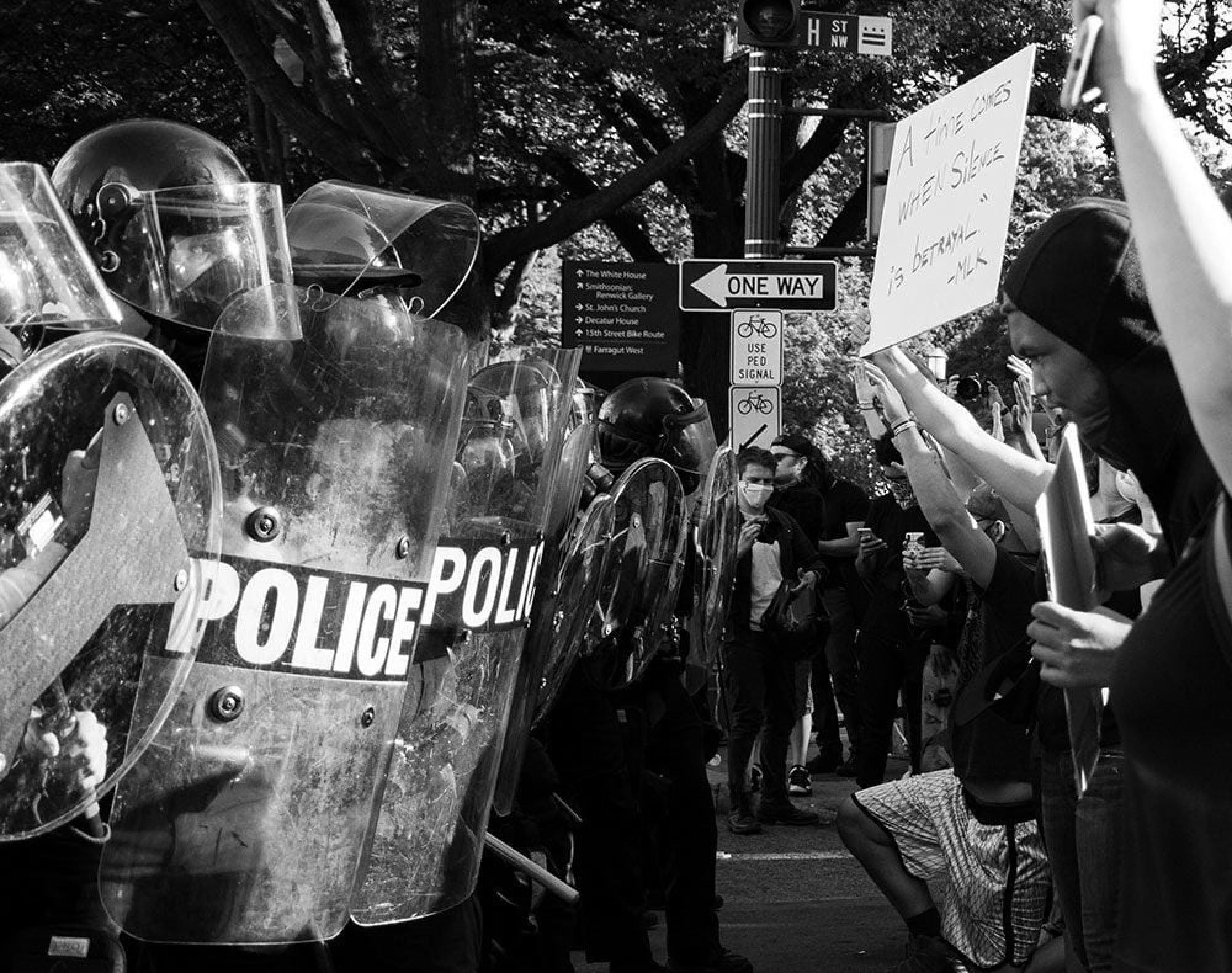
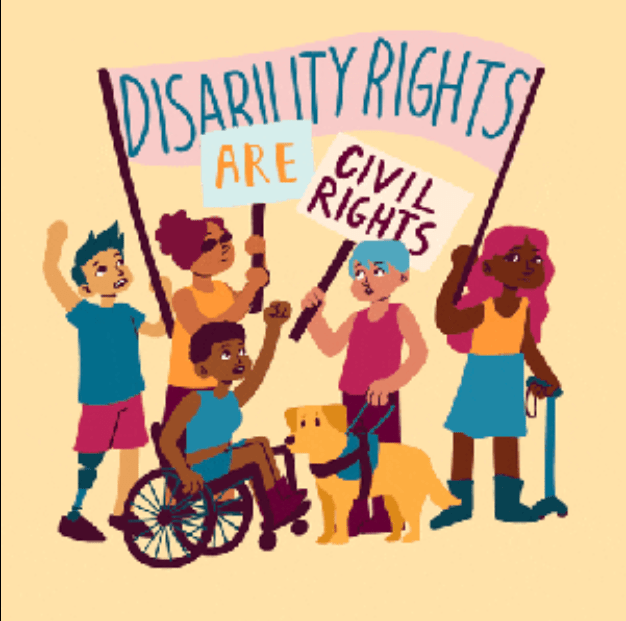
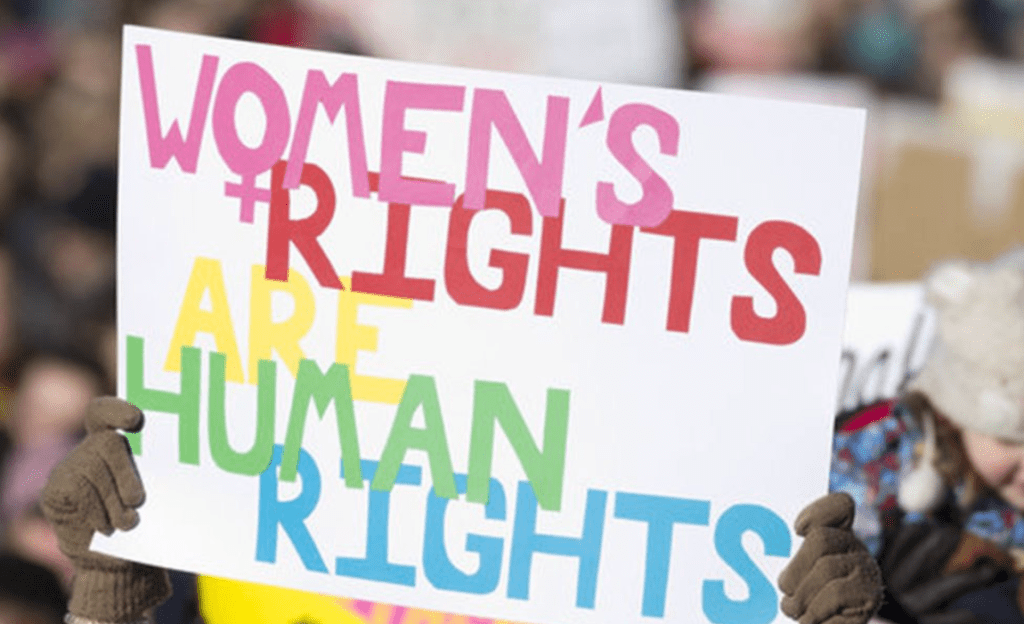

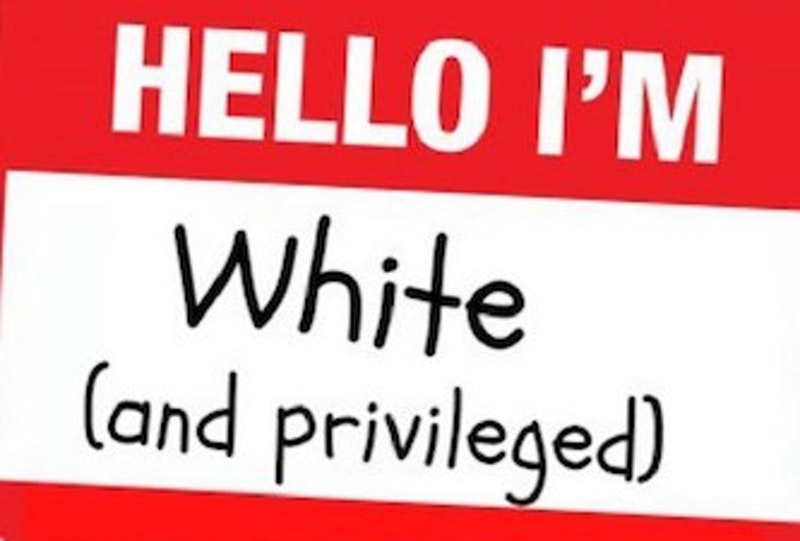




 As protestors marched past me with conviction, I stood among the crowd in awe. This rally was not about whether you agree with abortion – this rally represented a much bigger issue. The issue is about freedom, women’s freedom to have autonomy over her own body. However, the popular narrative chooses to focus on 3% of services provided. It is critical we understand that defunding planned parenthood will not stop abortions – but what it will do, is make it extremely dangerous for those already marginalized by our political and economic landscape to access the care they need. The legislative effort to deny women the access to affordable contraception, sex education, cancer screenings, breast exams and Paps, I find to be irrational in nature. What is it you hope to accomplish by these restrictions other than to make it extremely difficult for women to access the care they need? Empirical evidence shows us the greatest impact of these restrictions will be felt primarily and disproportionately in poor communities and women of color. What then does your “All Lives Matter” sign say to those targeted by this discriminatory legislation? If you are against the government subsiding medical services, are you also against the government subsidizing corporations that pay wages low enough that their employees fall under the federal poverty line?
 Challenge The Narrative